Adopt a small animal

Domesticated rabbits, birds, guinea pigs, rats and mice – sometimes referred to as ‘pocket pets’ – are often social, inquisitive creatures that can be a rewarding addition to your life.

By adopting a small animal from RSPCA WA, you’re helping give displaced animals a loving home and supporting RSPCA WA’s Animal Care Centre, so we can help more animals in the future.

Find a small animal to adopt  Apply to foster a rabbit


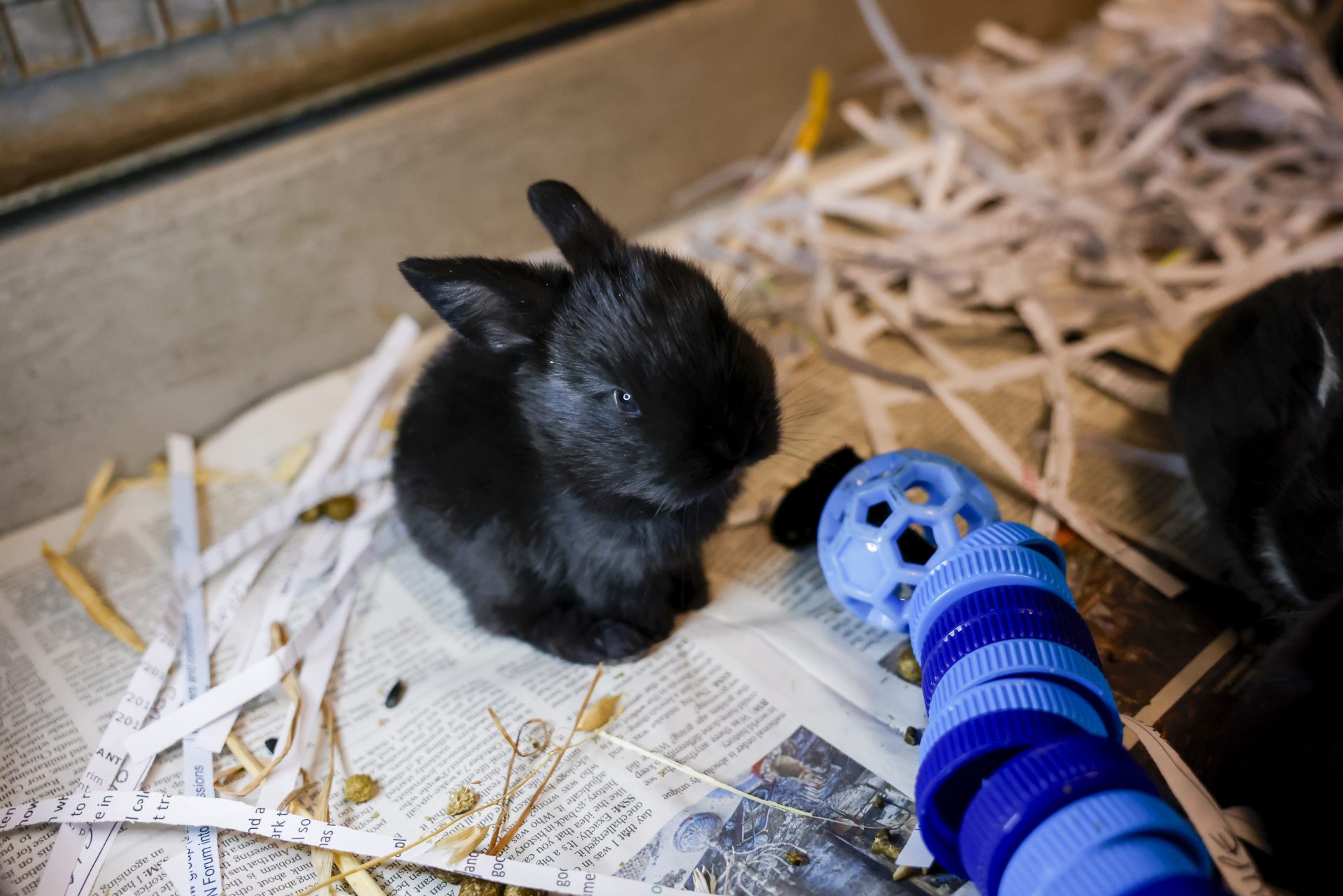
Tiny black bunny

The small animal adoption process:

  1. Plan – Small animals live for many years, with rabbits often living for 8-12 years and some birds (like Cockatoos and Macaws) living for up to 80 years. It’s important to prepare for the daily responsibilities of small pet ownership, including daily cleaning, companionship, enrichment and potentially costly vet bills. Find out more.
  2. Explore – See who’s available for adoption in Perth here.
  3. Visit – Meet your potential new companion in person.
  4. Make it official – Complete the paperwork to finalise your adoption and take your new pet home.
  5. Settle in – Help your new pet feel right at home.

Learn more

Items you need before you adopt:

  • Water bottle
  • Food
  • A large enough enclosure for your pet to move around and exercise in
  • Access to shade
  • Bedding
  • Enrichment toys
  • Cleaning products
  • Flea/ worm control
  • Litter tray and litter (rabbits only)
  • Gnawing stick (for rabbits, guinea pigs and rats)
  • A secure carrier to take your pet home

Many of these items can be purchased at the RSPCA WA Animal Care Centre when you adopt your new small animal, with all proceeds from every sale helping RSPCA WA improve animal welfare across WA.

Fostering a small animal from RSPCA WA

Occasionally, when our shelter is over capacity, we may need the help of foster carers to care for rabbits or other small animals in their home temporarily.

How we support our foster carers

When you generously give your time and energy to foster a small animal from RSPCA WA, we provide everything you’ll need to take care of your furry friend. This includes:

  • All food
  • All material items (bedding, enclosure, shelter, and so on)
  • All medications and instructions on how to administer them
  • Free vet check-ups and urgent care
  • 24-hour emergency phone support

The small animal fostering process:

  1. Plan – Consider how your daily routine will need to shift to care for a small animal, and how long you can commit to fostering for.
  2. Apply – Complete this form so we can confirm your suitability and preferences.
  3. Meet your match – If a suitable small animal becomes available, we’ll arrange a time for you to meet and pick them up.
  4. Check in – Bring them in for regular vet check-ups as part of their ongoing care.
  5. Farewell – When it’s time, we’ll arrange a time when you can drop them off. We’ll let you know when another foster animal becomes available.
    1. … or welcome home. If the small animal you’re fostering becomes available to adopt, you are always welcome to go through the adoption process.
Apply to foster a small animal

What to consider

What to consider before adopting a small animal

Don’t be fooled by their small size – small animals require daily attention, ongoing care and have health needs like any other. Make sure you’re ready for the time, cost and long-term commitment required to give your pet a safe and healthy life.

What to consider before adopting rabbits

Rabbits need companionship
Rabbits are highly social and thrive with company. We recommend keeping at least two compatible rabbits (such as two females or a neutered pair). Avoid housing unneutered males and females together to prevent unwanted litters.

A proper diet is essential

Rabbits are herbivores and require a constant supply of grass or high-quality grass hay (e.g. timothy, oaten, pasture, meadow or ryegrass) for a well-balanced diet. A fibre-rich diet is critical a rabbit’s overall health.

Regular grooming is important

Routine grooming keeps your rabbit’s coat healthy and helps prevent hairball blockages. Tips:

  • Check regularly for parasites, dirt, and signs of flystrike, especially under the tail
  • Monitor nail length and trim as needed
  • Keep in mind that long-haired rabbits need more frequent brushing
What to consider before adopting birds

Most birds need companionship
Most birds are highly social, living either in groups or pairs in their natural environment. Social bird breeds should live in groups or pairs of compatible species to ensure their social needs are met.

Spacious housing is crucial for birds
Any enclosure should provide a large space relative to the size of the bird, allowing for free movement and flight. Birds in small cages must have regular access to a flight aviary or opportunities to fly in a safe environment.

Birds have varied dietary needs
A balanced and varied diet is a must for birds and can vary by species.

A bird’s health needs close monitoring 
Bird health can be complex, and resolving health issues often relies on specialist vets. Checking your bird’s health regularly is key to ensuring good welfare and preventing disease. Should problems arise, seek advice from an avian veterinarian as soon as possible.

You’ll need a permit for some bird breeds

For Cockatoos, Indian Ringnecks and some other bird breeds, you’ll need special licence/permit before you can take them into your care. You’ll need to provide proof of your permit as part of the adoption process.

What to consider before adopting guinea pigs

Guinea pigs need companionship
Guinea pigs are social animals and should be kept with others. Choose same-sex pairs to prevent breeding. For males, it’s best to introduce them while young.

Guinea pigs need spacious housing
Guinea pigs need room to move, explore and hide when they feel unsafe. Tips:

  • Minimum enclosure for one: 100cm x 50cm x 25cm
  • Two guinea pigs require double the space
  • Use soft bedding like hay over newspaper and clean regularly
  • Include enclosed boxes or other structures they can hide in

Guinea pigs are very susceptible to heat stress
Always ensure they are kept in a well-ventilated area, which provides adequate shade and maintains a comfortable temperature.

Guinea pigs need a varied diet
A healthy guinea pig diet includes:

  • Unlimited grass or grass hay
  • Fresh leafy green vegetables and herbs
  • A regular source of vitamin C (essential), such as quality guinea pig pellets and capsicum

Avoid high-calcium hays (like alfalfa and clover hays), sugary foods, and toxic plants, as these can cause serious health issues.

Regular grooming is essential for long-haired breeds
Guinea pig grooming involves:

  • Daily grooming for long-haired guinea pigs
  • Removing tangles, debris, and loose hair
  • Checking for parasites and overgrown nails

Guinea pigs have sensitive health needs
Guinea pigs can easily develop respiratory and skin issues, often linked to poor hygiene, poor enclosure conditions or contact with rabbits. Seek veterinary care if you have any concerns.

What to consider before adopting rats and mice

Rats and mice need companionship
Mice and rats are social animals and should be housed in pairs or small groups. Group together with those of the same sex to avoid breeding.

Rats and mice need a safe space
Rats and mice need a secure, ventilated, and easy-to-clean cage with plenty of space for activity and wellbeing. It’s essential to provide bedding, such as paper pellets, and clean regularly to maintain hygiene. Rats also require plenty of hiding spaces such as hammocks and cardboard boxes to feel safe.

Rats and mice are susceptible to heat stress
Keep enclosures in a stable, moderate environment, away from extreme or direct heat.

Rats and mice need a nutritious diet
Mice and rats thrive on a diet of fresh fruits and vegetables, with small amounts of high-quality rodent pellets.

Avoid excessive seeds and grains, as these are high in fat and sugar. As a treat, rats and mice can consume very small amounts of cereals, grains, seeds, breads, biscuits, sweets, cooked pasta and breakfast cereals.

The RSPCA Knowledgebase

Search Australia’s most trusted source of animal welfare science, advice and information, including animal behaviour guidance, pet care FAQs and more than 700 expert articles.

horse in wild